What Happens to Skip Bin Waste After Collection?
What Happens to Your Rubbish After Your Skip Bin Is Collected?
You fill your skip bin, we collect it, and then what?
For many people, once a skip bin leaves their property, that's the end of the story. But responsible waste management doesn't stop at collection.
At Flehan Skips, collected waste is taken back to our own on-site sorting facility in Adelaide, where it is sorted and processed for recycling and recovery wherever possible.
So, what actually happens after your skip bin is picked up?
Step 1: Your Skip Bin Is Collected
Once your project is finished, we collect the skip bin from your property and bring it back to our facility.
Flehan Skips services residential, commercial and construction projects across Adelaide, with skip bins ranging from 2m³ to 9m³.
Whether your bin was used for a house clean-up, renovation, landscaping project or construction work, the waste doesn't simply go straight to landfill.
Step 2: The Waste Comes Back to Our Sorting Facility
This is where things get interesting.
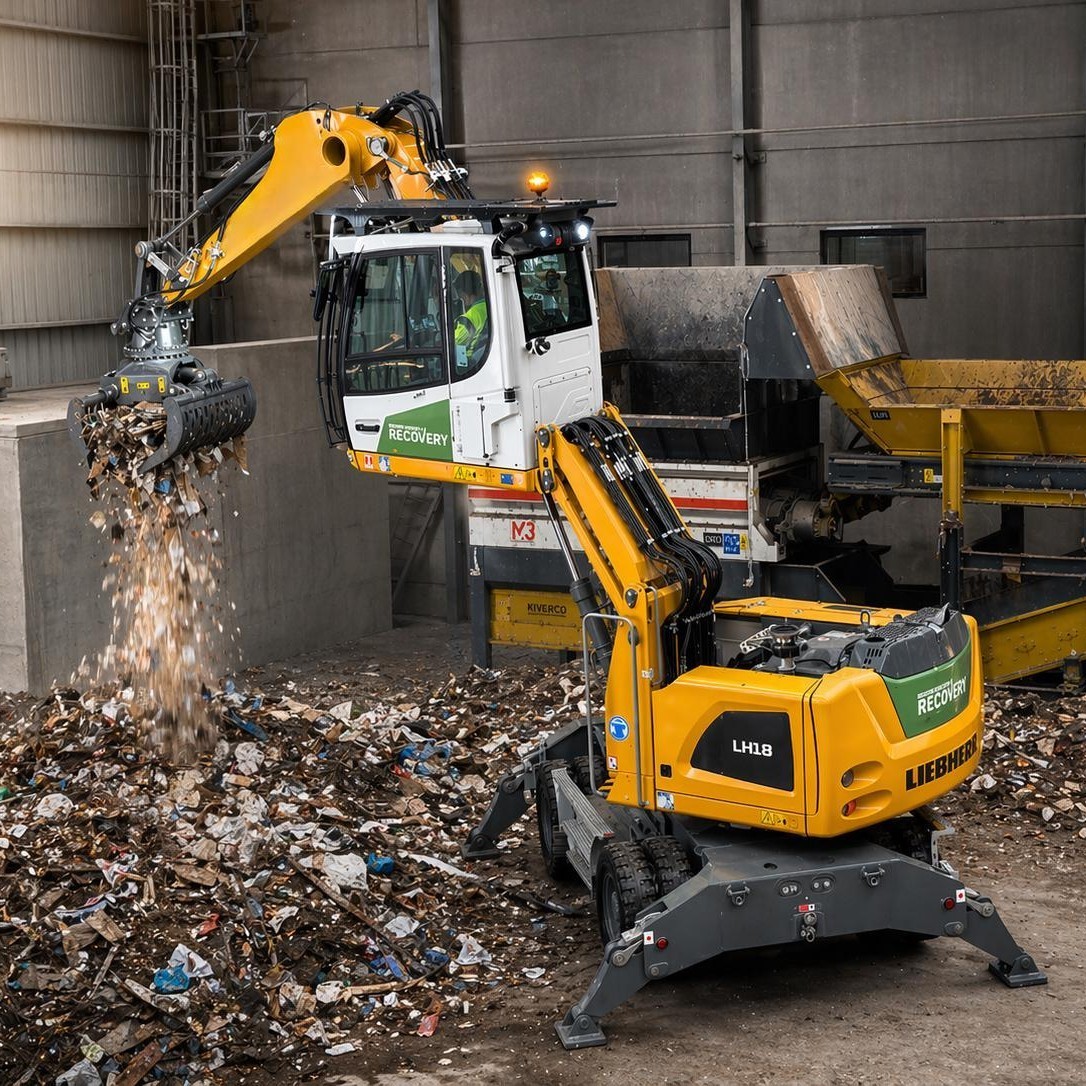
Flehan Skips operates its own large-scale sorting facility, allowing collected waste to be sorted and processed with recycling and recovery in mind.
Instead of treating everything as one pile of rubbish, materials can be separated into different waste streams.
This gives recyclable materials the opportunity to be recovered and processed rather than automatically sending everything to landfill.
Step 3: Materials Are Sorted
A skip bin can contain a wide range of materials depending on the waste type selected.
This can include:
- Timber
- Scrap metal
- Bricks
- Concrete
- Tiles
- Green waste
- Cardboard
- Paper
- Plastics
- Furniture
- General household waste
- Building and construction materials
Different materials have different recycling and recovery options, which is why sorting is such an important part of the waste management process.
Flehan Skips offers different waste categories including household waste, masonry and earth, green waste and mixed waste, each with different accepted and prohibited materials.
Step 4: Recyclable Materials Are Recovered Wherever Possible
The goal is simple: recover and recycle as much of the waste as possible.
Materials such as metals, green waste, concrete, bricks and other recoverable materials can be directed towards recycling or recovery processes rather than automatically being sent to landfill.
This approach helps make better use of materials that still have value and reduces the amount of waste that ultimately needs to be disposed of.
We don't believe waste management should simply mean collecting rubbish and sending it away.
Step 5: Only Waste That Can't Be Recycled Is Sent for Disposal
Not everything that goes into a skip bin can be recycled.
Some materials may be contaminated, unsuitable for recovery or otherwise unable to be processed through recycling streams.
Where waste cannot be recycled or recovered, it is sent for appropriate disposal.
Our aim is to maximise recycling and recovery wherever possible, rather than sending the entire contents of every skip bin directly to landfill.
Why Does Sorting Your Waste Matter?
The way you use your skip bin can make a difference.
Putting the correct waste into the correct bin helps make sorting and recovery easier once the bin reaches our facility.
For example, green waste bins are designed specifically for materials such as grass clippings, branches, leaves, weeds and garden prunings.
Mixed waste bins are suitable for a broader range of household, renovation and construction waste.
Choosing the right waste type when booking your skip helps keep materials in the appropriate waste stream.
What Happens to Concrete, Bricks and Other Building Waste?
Heavy construction materials require their own waste stream.
Flehan Skips accepts materials such as bricks, concrete, tiles, soil, dirt and rocks through its masonry and earth waste option.
These materials can then be sorted and processed through the appropriate recovery pathways.
This is particularly important for renovation and construction projects, where large quantities of heavy materials can be generated.
What Happens to Green Waste?
Green waste is another material that can be recovered rather than simply treated as general rubbish.
Flehan's green waste service accepts materials including:
- Grass clippings
- Tree branches
- Bark chips
- Weeds
- Tree trunks
- Untreated timber
Keeping green waste separate from general rubbish helps maintain a cleaner waste stream for processing.
What Happens to Metal?
Metal is another valuable material that can be recovered from waste streams.
Scrap metal is accepted in relevant Flehan waste categories, subject to the applicable waste requirements.
Rather than simply treating metal as rubbish, sorting gives recyclable materials the opportunity to be recovered and put back into use.
What About Furniture and Household Items?
Household clean-ups can produce a huge variety of waste.
Old furniture, appliances, office furniture, timber, garden waste and general household rubbish can all end up in a skip bin.
Flehan's household and mixed waste options are designed to handle a broad range of these materials, while certain materials such as asbestos, chemicals and other prohibited items must not be placed in a skip bin.
Once collected, the waste is taken back to our facility where it can be sorted and processed.
Why Flehan Skips Takes Recycling Seriously
Waste removal is more than putting a bin on your driveway and taking it away again.
We're a South Australian family-owned and operated business, and responsible waste management is an important part of how we operate.
Our own sorting facility allows us to take control of the process after collection and focus on recovering and recycling as much material as possible.
That means when you hire a Flehan Skip, you're not simply paying someone to take your rubbish away.
You're choosing a waste management service that puts effort into sorting, recovery and recycling.
How You Can Help Us Recycle More
There are a few simple things you can do before your skip arrives.
Choose the Right Waste Type
Select the appropriate waste category when booking your skip.
Keep Prohibited Items Out
Don't put asbestos, chemicals, liquids, gas cylinders, batteries or other prohibited materials into your skip.
If you're unsure about an item, contact us before putting it in the bin.
Separate Waste Where Practical
If you're managing a large project with different types of waste, keeping materials separated can make disposal and recovery easier.
Don't Overload the Bin
Skip bins need to be loaded safely and level with the top of the bin. Overfilled bins may not be collected.
A Skip Bin Is More Than a Trip to Landfill
When you see a skip bin being collected, it can be easy to assume the contents are simply taken away and dumped.
That's not how we approach waste management.
At Flehan Skips, collected waste comes back to our own sorting facility, where materials are sorted and processed with the goal of maximising recycling and recovery.
Wherever possible, we recycle and recover materials. Only waste that can't be recycled is sent for appropriate disposal.
So the next time you hire a skip, remember: what happens after collection matters too.
Need a Skip Bin in Adelaide?
Whether you're clearing out your home, renovating, landscaping or managing a construction project, Flehan Skips has a range of skip bins to suit the job.
With sizes from 2m³ to 9m³ and online booking available 24/7, getting a skip delivered is simple.
Book your Flehan Skip today.
1800 577 507
Book online 24/7