
Skip waste bins: your complete Adelaide hire guide
Skip waste bins are large, open-top steel containers designed to collect, store, and transport waste from a single location for professional disposal. Whether you are clearing out a garage in Norwood, managing a construction site in the CBD, or organising a community event in Glenelg, a skip bin gives you a fixed, contained space to handle bulk waste without multiple tip runs. The industry term is “skip bin,” and the phrase “skip waste bin” refers to the same product. Flehanskips serves Adelaide CBD and surrounding suburbs with bin sizes from 2 to 9 cubic metres, covering everything from light household rubbish to heavy demolition debris.
What size skip waste bin do you actually need?
Choosing the wrong bin size is the most common and most costly mistake in skip bin hire. A bin that is too small fills up before your job is done. A bin that is too large means you pay for space you never use.
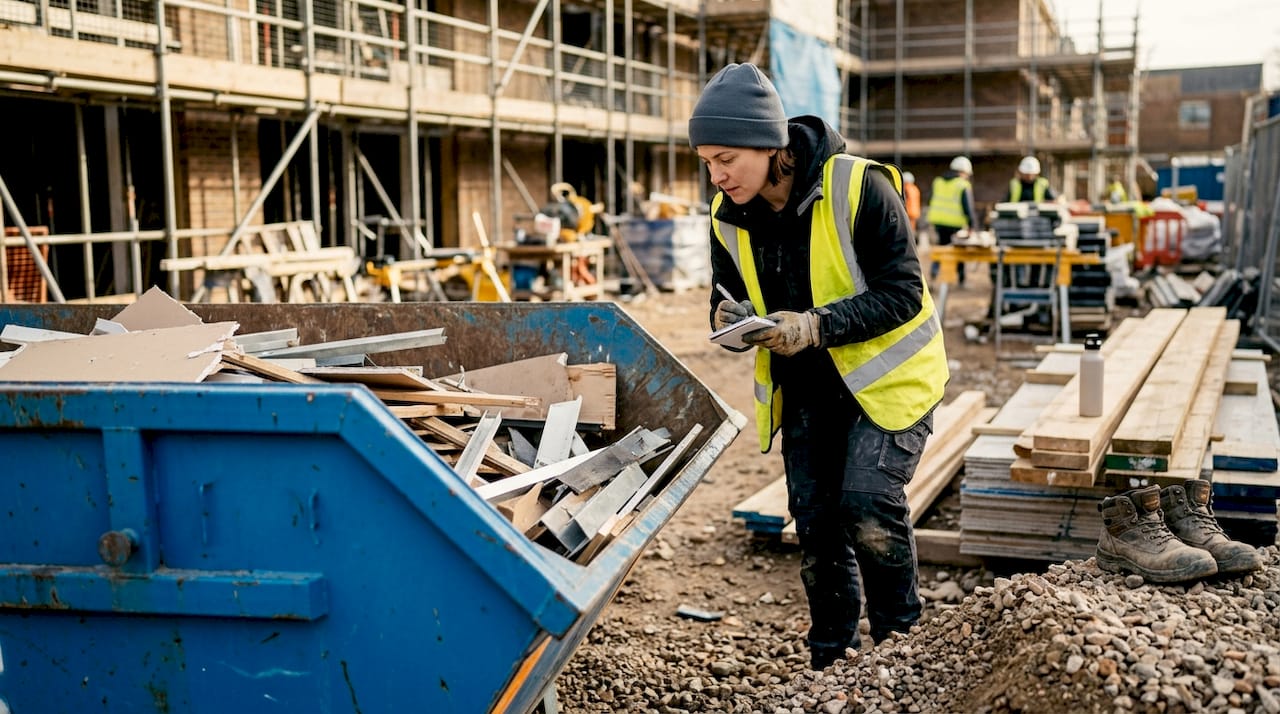
Skip bin hire prices in Australia range from $290 to $2,000 depending on size, waste type, and hire duration. That spread is wide because the right bin for a bathroom renovation is nothing like the right bin for a full demolition project.
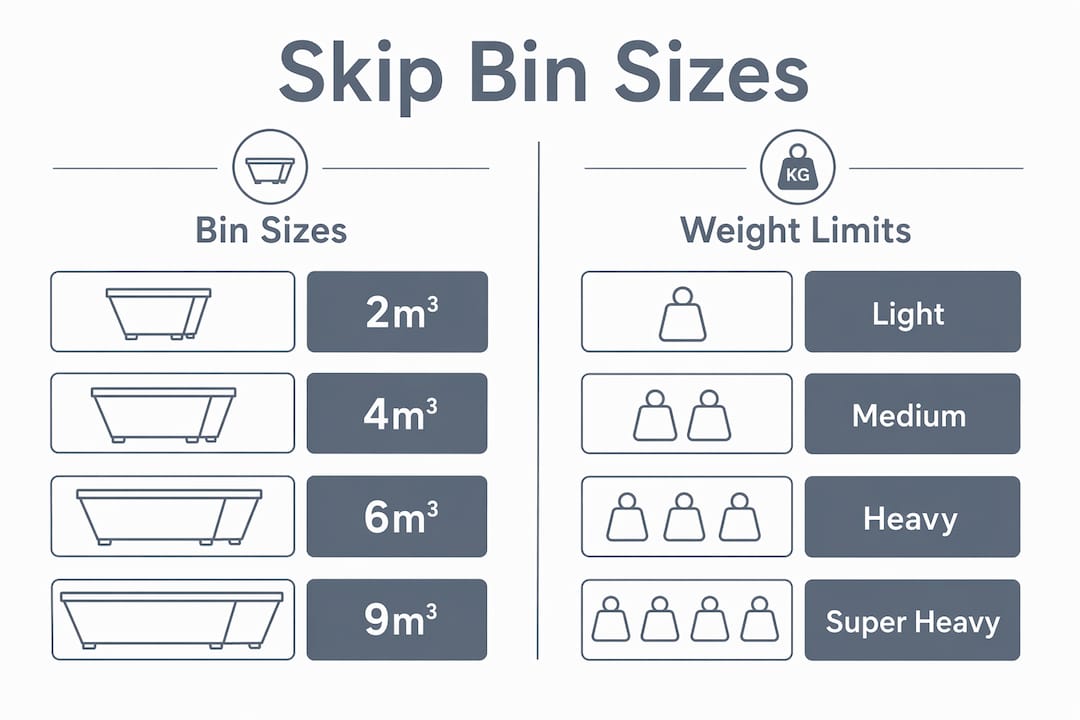
| Bin size | Best use | Approx. weight limit |
|---|---|---|
| 2m³ (mini) | Small cleanups, single-room clear-outs | ~400kg |
| 4m³ (standard) | Whole-house decluttering, garden waste | ~500kg |
| 6m³ | Large renovations, mixed household and construction | Higher capacity |
| 9m³ (super) | Full demolitions, commercial strip-outs | Highest capacity |
The difference between a standard and a super bin at the same volume can be several hundred kilograms in weight allowance. That gap matters when you are loading concrete, bricks, or soil. Overweight fees are charged at 40 cents per kilogram above the allowance. A load that runs 300kg over budget adds $120 to your bill before you have even noticed.
Heavy materials like concrete, tiles, pavers, and dense building rubble require bins with a higher weight capacity. Volume and weight are two separate measurements, and both matter. A 4m³ bin filled with soil will hit its weight limit well before it looks full.
Pro Tip: Walk through the space you are clearing and estimate waste in wheelbarrow loads. One standard wheelbarrow holds roughly 0.1m³. Ten barrow loads equal about 1m³ of bin space. Use this to cross-check your bin size before booking.
Check the skip bin sizes guide on the Flehanskips website for a full breakdown of volume, weight, and recommended use cases.
How do 2026 Australian regulations affect skip bin use?
Australian waste regulations have tightened considerably, and the financial consequences of getting it wrong are real. The National Waste Policy Action Plan sets the national framework, but state-level rules carry the teeth.
Key rules you need to know:
- Queensland: The Waste Reduction and Recycling Act mandates contamination rates below 5% in general waste loads. Penalties for residential customers reach up to $2,500.
- Victoria: Four-stream separation is mandatory for skip loads over 2 cubic metres. General waste, recyclables, organics, and hazardous materials must go into separate bins.
- South Australia: The EPA enforces strict guidelines on prohibited materials. Tyres, asbestos, and liquid waste cannot go into general skip bins under any circumstances.
- All states: Mixing waste types elevates contamination risk and can result in load rejection or surcharges at the processing facility.
Contamination penalties have increased by 35% since 2024, and fines now range from $150 to $2,500 depending on severity and location. That increase reflects a national push toward cleaner waste streams and higher recycling rates.
Correct sorting does more than keep you compliant. Proper waste separation can reduce the bin size you need by 20–30%, which directly cuts your hire cost. Sorting at the source is the single most effective way to reduce both contamination risk and total spend.
Prohibited items in general waste skip bins typically include:
- Asbestos and asbestos-containing materials
- Liquid waste and chemicals
- Tyres and rubber products
- Batteries and electronic waste
- Medical or biological waste
If you are unsure whether a material is accepted, ask your provider before loading. Flehanskips offers guidance on waste sorting as part of its customer service, so you do not have to guess.
Skip bins vs skip bags: which one suits your project?
Skip bags and skip bins solve the same problem but in very different ways. Knowing which one fits your project saves you time, money, and frustration.
A skip bag is a flexible, woven polypropylene sack that sits flat until you fill it. It takes up minimal space, costs less upfront, and suits projects where waste builds slowly over days or weeks. A skip bin is a rigid steel container delivered by truck and suited to fast, heavy waste accumulation.
Skip bags work best for small to medium, slow-building, and light waste. Skip bins suit rapid waste accumulation and heavy materials. That distinction is the core of the decision.
| Factor | Skip bag | Skip bin |
|---|---|---|
| Best for | Light, slow-building waste | Heavy, fast-accumulating waste |
| Space needed | Minimal | Truck access required |
| Weight capacity | Low | High (up to several tonnes) |
| Cost | Lower upfront | Higher, but better value for volume |
| Permit required | Rarely | Sometimes (public land) |
Construction waste containers must be heavy-duty steel. Using a light-duty option for dense demolition rubble risks equipment failure and project delays. For any job involving concrete, bricks, or structural materials, a rigid skip bin is the only safe choice.
Pro Tip: If your renovation will run for more than two weeks and involves structural materials, book a skip bin rather than a bag. The weight limits on bags are low, and overfilling them creates a safety hazard during collection.
For garden clean-ups and green waste, a smaller bin or a dedicated green waste skip bin keeps your load clean and avoids contamination fees from mixing organic and general waste.
Best practices for hiring skip bins in Adelaide CBD
Getting the logistics right before your bin arrives saves you from delays, fines, and unexpected costs. Adelaide CBD has specific considerations around space, permits, and access that are worth planning for in advance.
-
Book with enough lead time. Standard skip bin delivery typically requires a few days’ notice. Crane-lifted bins or custom configurations can require 2–3 weeks lead time. For large construction projects, plan your bin schedule at the same time you plan your build programme.
-
Prepare your delivery site. The truck needs clear access to drop and collect the bin. Remove overhanging branches, parked vehicles, and any obstacles within the drop zone. A skip bin trailer fits on a footprint of approximately 1.8m by 1.8m, but the delivery truck needs considerably more room to manoeuvre.
-
Check council permit requirements. Skip bins on public land require a council permit in most Adelaide council areas. Placing a bin on a footpath or road without a permit can result in fines or forced removal. If you have a driveway or private land, you avoid this step entirely.
-
Protect your surface. Heavy bins can damage paving, soft ground, or decorative surfaces. Place timber boards under the bin’s contact points to spread the load and protect your driveway or lawn.
-
Estimate your hire duration honestly. Standard hire periods cover up to 8 weeks for most providers. If your project runs long, arrange an extension before the bin is collected. Last-minute extensions can cost more and disrupt your site.
-
Load strategically. Place heavy items at the bottom and flat items like timber boards along the sides to maximise space. Keep prohibited materials off the site entirely rather than sorting them out later.
-
Segregate waste streams from the start. Dedicate separate bins for heavy demolition rubble, green waste, and general rubbish. Mixing waste types complicates processing and increases contamination risk, which leads to surcharges or load rejection.
For a full overview of what Flehanskips offers across Adelaide, the hiring skip bin services page covers bin types, booking steps, and service areas in plain language.
Key takeaways
Choosing the right skip bin and following waste sorting rules is the fastest way to reduce your total disposal cost and avoid penalties.
| Point | Details |
|---|---|
| Match bin to waste density | Volume and weight limits are separate; heavy materials fill weight limits before visual capacity. |
| Sort waste streams at source | Separating waste types reduces contamination fees and can cut bin size needs by 20–30%. |
| Check permits before delivery | Adelaide CBD public land placement requires a council permit; private land avoids this requirement. |
| Book ahead for large projects | Crane-lifted or custom bins need 2–3 weeks lead time; plan bin hire with your project schedule. |
| Know prohibited materials | Tyres, asbestos, chemicals, and e-waste cannot go into general skip bins under Australian regulations. |
What I have learned from years of skip bin hire
The most consistent mistake I see is underestimating weight. Clients book a 4m³ bin for a bathroom renovation, load it with tiles and concrete, and hit the weight limit when the bin is barely half full visually. The overweight fee arrives as a surprise. The fix is simple: if your waste is dense, book up in weight capacity, not just volume.
The second mistake is leaving waste sorting until the bin is already on site. Once everything is mixed together, separating it is slow and unpleasant work. Contamination penalties have risen sharply since 2024, and the cost of a rejected load far exceeds the effort of sorting as you go.
Regulations are tightening every year. South Australia’s EPA, Queensland’s Waste Reduction and Recycling Act, and Victoria’s four-stream mandate all point in the same direction: cleaner streams, stricter enforcement, and higher penalties for non-compliance. Providers who stay current with these rules save their clients real money.
My honest advice is to call your provider before you book, not after. A five-minute conversation about your waste type, volume, and site access will almost always result in a better bin choice and a lower final bill.
— Marketing
Reliable skip bin hire in Adelaide CBD with Flehanskips
Flehanskips is a South Australian, family-owned business that takes the guesswork out of waste disposal bins for homeowners, builders, and event organisers across Adelaide.
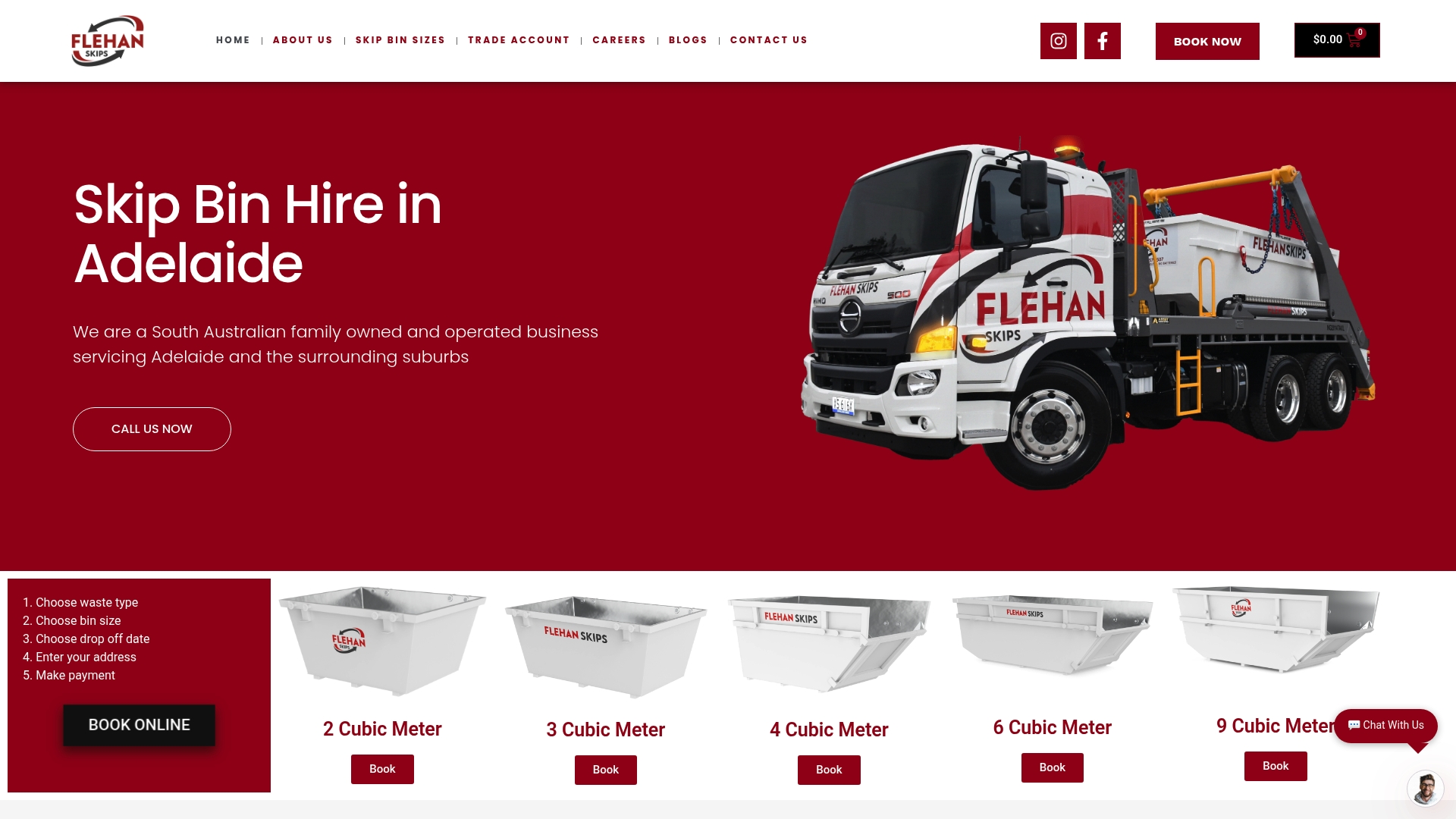
Bin sizes run from 2 to 9 cubic metres, covering light household clear-outs through to full commercial strip-outs. Flehanskips handles green waste, mixed waste, and harder-to-recycle items like mattresses, with transparent pricing and no hidden contamination fees. The 24/7 online booking system means you can lock in your bin, choose your waste type, and schedule pick-up without a phone call. For anyone ready to get started, the skip bin hire booking page has everything you need in one place.
FAQ
What are skip waste bins used for?
Skip waste bins are open-top steel containers used to collect and transport large volumes of waste from residential, commercial, and construction sites. Common uses include home renovations, garden clean-ups, event waste management, and demolition projects.
How much does it cost to hire a skip bin in Adelaide?
Skip bin hire prices in Australia range from $290 to $2,000 depending on bin size, waste type, and hire duration. Smaller 2m³ mini bins sit at the lower end of that range, while large super bins for demolition waste reach the higher end.
Do I need a council permit for a skip bin in Adelaide CBD?
A council permit is required if the skip bin is placed on public land such as a footpath or road. Bins placed on private property like a driveway do not require a permit in most Adelaide council areas.
What materials cannot go into a general skip bin?
Prohibited materials include asbestos, tyres, liquid waste, chemicals, batteries, and electronic waste. Placing these items in a general skip bin can result in load rejection, surcharges, or fines under South Australian EPA regulations.
What is the difference between a skip bag and a skip bin?
Skip bags suit small, slow-building, and light waste where space is limited. Skip bins are rigid steel containers suited to heavy, fast-accumulating waste like construction rubble, and they carry significantly higher weight limits than bags.
Recommended
- Looking for Skip Bin Hire in Adelaide? - Flehan Skips
- Skip Bin Hire in Hindmarsh, Adelaide - Flehan Skips